Electric Underfloor Heating Systems
Electric underfloor heating is a fast, flexible way to add warm floors and comfortable heat to your home. Ultra-thin heating mats and cables sit directly beneath the floor finish, making them ideal for bathrooms, kitchens, ensuites and renovations where you don’t want major building work.
On this page you’ll find a complete range of electric underfloor heating mats, loose cables, in-screed cables, foil and under-wood systems, plus insulation boards and thermostats to finish the job. Use the guide below to choose the right system for your room, then pick the kit size that matches your floor area.
Find the Right Electric Underfloor Heating for Your Project

Bathrooms & Tiled Floors
Perfect for most bathrooms, ensuites and tiled kitchens. Use electric heating mats (160–200W/m²) for fast warm-up and even heat.

Laminate, Vinyl & Wood Floors
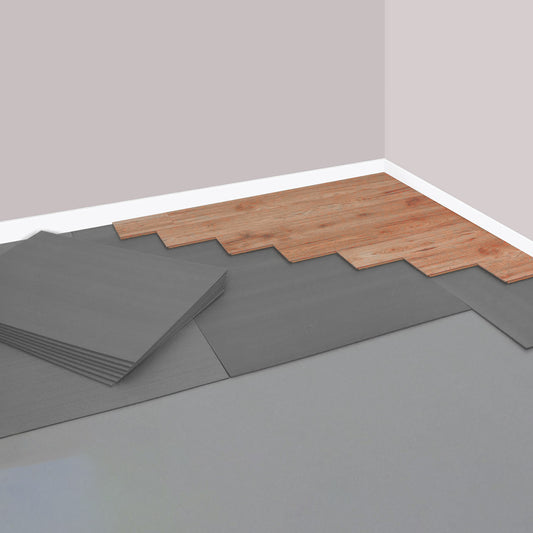
Best for floating floors where mats can’t be embedded. Use foil or under-wood heating systems for safe, even heat under sensitive floors.

Screed Floors & Larger Areas
Ideal for new screeds, extensions and larger rooms. Choose in-screed heating cables for flexible spacing and powerful output.
Not Sure What You Need?
Need Help Choosing?
Send us your room size or plans and we’ll specify the right electric system. Free design support and expert recommendations included.

How Electric Underfloor Heating Works
Electric underfloor heating works by converting electrical energy into gentle radiant heat through ultra-thin heating mats or loose cables installed just beneath your floor finish. Unlike traditional radiators — which heat the air unevenly and often create cold spots — electric underfloor heating warms the entire floor surface at a low, consistent temperature. This raises the mean radiant temperature of the room, creating a comfortable feeling of warmth even at lower air temperatures.
Because the heating element sits close to the surface, electric underfloor heating responds quickly. Most systems reach comfort temperature within 20–30 minutes, making them ideal for rooms that benefit from fast warm-up times such as bathrooms, kitchens and ensuites. The heat rises evenly through tiles, vinyl, laminate or engineered wood, providing reliable heating without the bulky appearance of radiators.
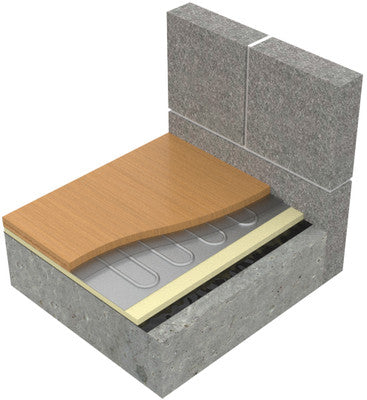
Modern electric underfloor heating also integrates seamlessly with smart thermostats, allowing precise control over schedules, temperatures and energy usage. This ensures you only heat the areas you need — when you actually need them — helping keep running costs efficient. For best performance, electric systems should always be paired with insulation boards, which reduce downward heat loss and improve reaction times.
If you'd like help choosing the right system for your project, see our Electric Underfloor Heating Buyers Guide.
Types of Electric Underfloor Heating Systems
-

Electric Heating Mats
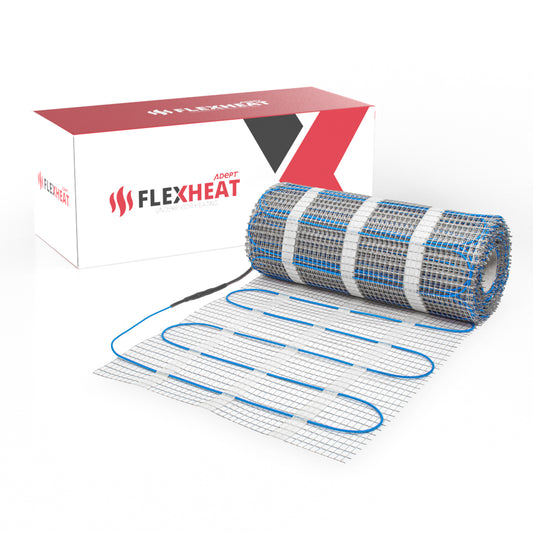
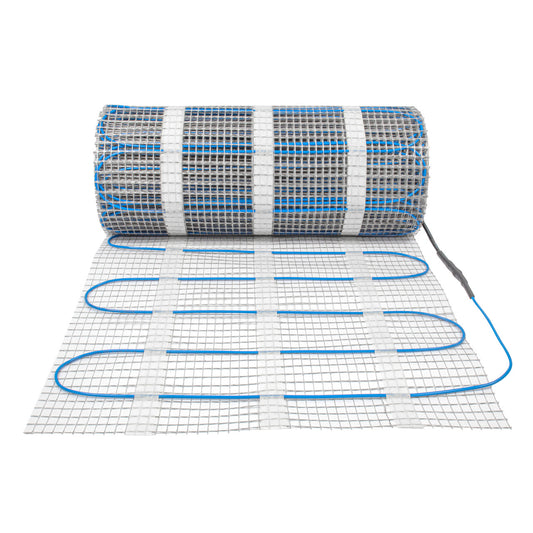
Shop Underfloor Heating MatsThe quickest and easiest solution for regular-shaped rooms. Ideal under tiles in bathrooms, kitchens and hallways. Available in 150–200W/m² outputs for fast warm-up.
-

Loose Heating Cables
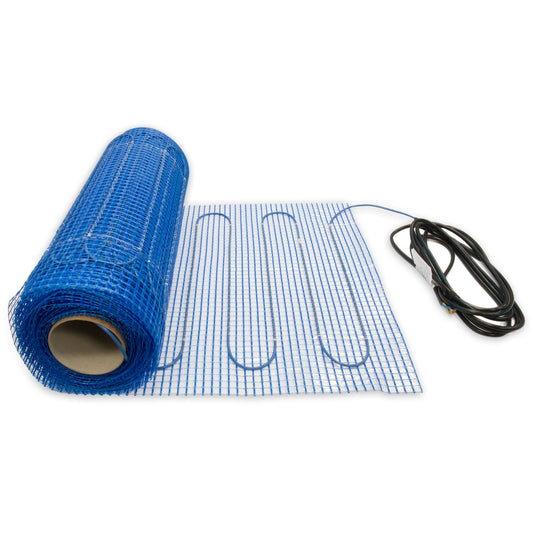
Shop Loose Heating CablesPerfect for awkward shapes, curved rooms or areas with lots of obstacles. Also ideal for embedding into self-levelling compounds or screeds.
-

In-Screed Heating Cables
Shop In-Screed Heating CablesDesigned to be installed within a thicker screed layer. Best for new builds, extensions and large spaces where you want a durable long-term heating solution.
-

Foil / Under-Wood Heating Systems
Shop Foil Underfloor HeatingSafe, effective heating for laminate, engineered wood and vinyl floors. Installed without adhesives and designed for floating floors that can’t be tiled over.


Running Costs of Electric Underfloor Heating
Electric underfloor heating is typically cheaper and quicker to install than water-based systems, but running costs can vary depending on:
- Room size
- Floor insulation
- Output wattage
- Thermostat settings
- How long the system runs
In small, well-insulated rooms such as bathrooms and ensuites, electric underfloor heating can be very cost-effective. The system heats up quickly, only warms the space you need, and can be scheduled precisely using a programmable or smart thermostat.
For larger areas or whole floors, we can help you compare electric and water underfloor heating so you choose the most efficient and cost-effective option for your project.
Featured Electric Heating Kits
-
Flexheat 200W Electric Underfloor Heating Mat Kit
Regular price From £48.99 GBPRegular price -
Flexheat 160W Electric Underfloor Heating Mat Kit
Regular price From £45.99 GBPRegular price -
140W/m² Elektra WoodTec Under Wood and Laminate Floor Heating Mat
Regular price From £147.49 GBPRegular price -
Elektra 200W Electric Underfloor Heating Mat Kit
Regular price From £86.99 GBPRegular price -
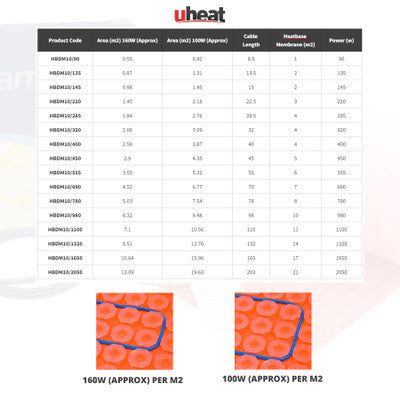
Electric Undertile Heating Cable with HeatBase Decoupling Membrane
Regular price From £54.99 GBPRegular price





Sizing Your Electric Underfloor Heating System
Sizing is crucial for getting the right heat output and avoiding wasted energy. Only heat the free floor area — not under fixed items like baths, toilets, kitchen units or built-in furniture.
To size your system:
- Measure the total room area
- Subtract the area covered by fixed objects
- Choose the mat or cable kit that matches the remaining heated area
- Allow around 10% spare cable if using loose cable
You can also use our online guides or send us your room dimensions. Our team will specify the correct system and kit size for free.


Answering your questions...
Electric Underfloor Heating – FAQs
What is Electric Underfloor Heating?
An electric underfloor heating system uses thin heating cables or mats beneath the floor to turn the entire floor surface into a low‑temperature radiant heat emitter. It’s quick to warm up, virtually maintenance‑free, and ideal for bathrooms, kitchens and retrofits.
Mats vs Loose Cable - Which Should I Choose?
Mats are fastest for regular-shaped rooms and rapid installs. Loose cable is best for smaller or awkward spaces where you need layout flexibility. Foil systems work brilliantly under floating floors like laminate or engineered wood.
How Much Does It Cost To Run?
Running costs depend on insulation, floor covering and thermostat settings. As a guide, modern systems paired with insulation boards and smart controls can be highly efficient for targeted rooms – helping reduce overall energy use compared with heating the whole house.
Can It Be My Primary Heat Source?
Yes, if the heat loss is within the system’s capacity. Use insulation boards and confirm room heat loss with our calculator or speak to our team for a quick check.
What Floor Finishes Are Suitable?
Tiles, vinyl, LVT, laminate and engineered wood are common. Use the correct system: mats/cable under tile or levelled floors; foil or decoupling layers for floating floors; check compatibility for carpets and always follow manufacturer guidelines.
Which Type of Underfloor Heating to Choose?
We provide two primary types of underfloor heating systems, each offering distinct advantages to meet a wide range of project needs.
Electric Underfloor Heating
Best for retrofitting & smaller rooms.
Designed for smaller spaces and retrofit projects. Offers quick installation with minimal impact on floor levels.
- Easy retrofit installation
- Minimal floor height increase
- Quick heat-up times
- Individual room control
Water Underfloor Heating
Perfect for new builds & larger projects.
Best suited for new builds and extensive renovations, offering superior efficiency for larger spaces and whole-home heating.
- Lower running costs
- Excellent for large areas
- Integrates with existing heating
- Long-term energy efficiency
Thermostats and Controllers
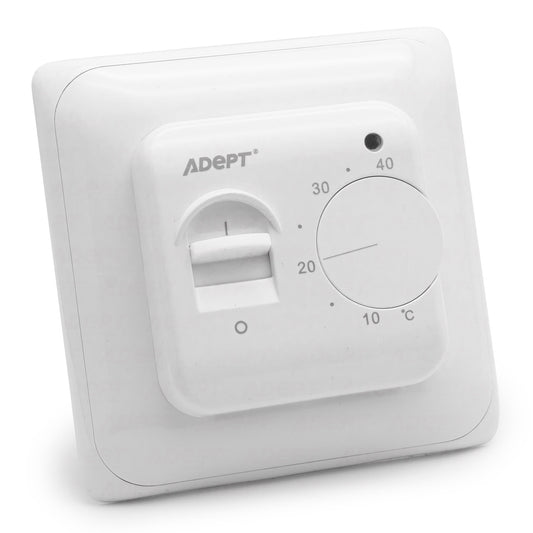
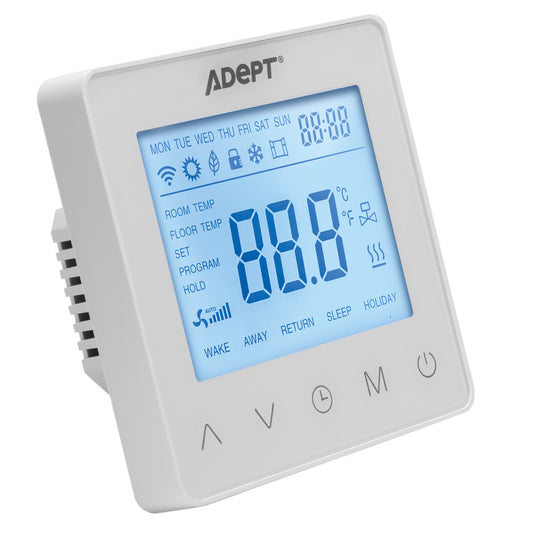
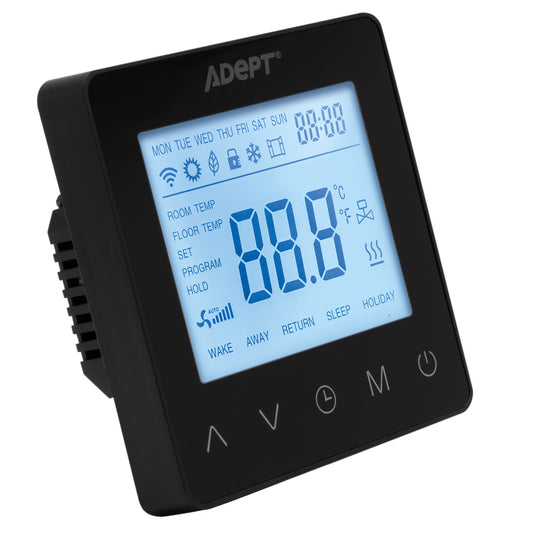
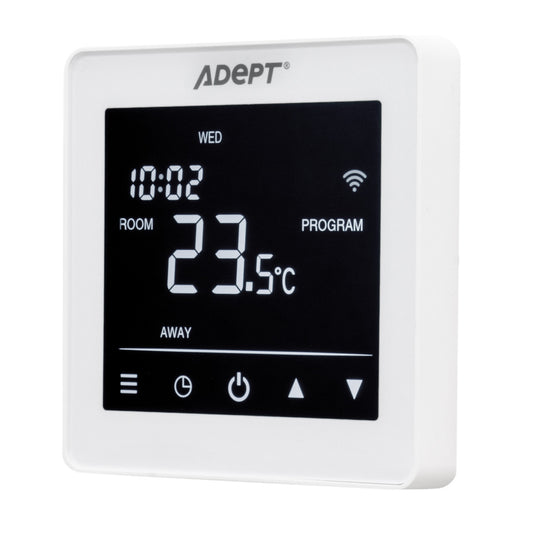
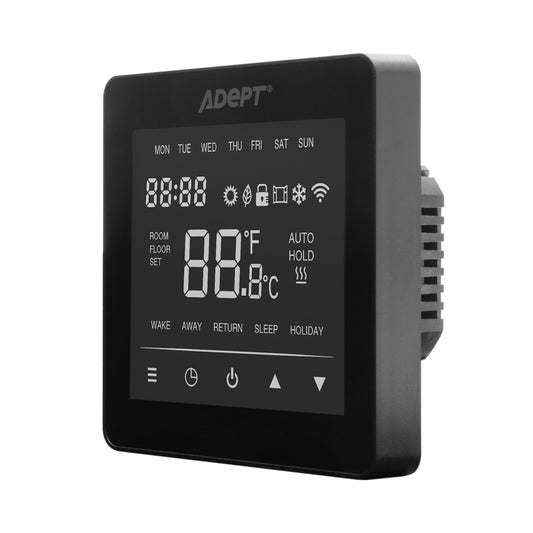
Electric underfloor heating thermostats provide an effortless way to keep your living or working space at the ideal temperature, delivering both comfort and control. Suitable for a wide range of settings, these devices are available in various styles—from straightforward manual models to programmable options and advanced smart thermostats that adapt to your lifestyle. By selecting the right thermostat for your underfloor heating system, you can enhance energy efficiency, improve performance, and enjoy a tailored heating experience that perfectly matches your environment.
-
Adept Manual Thermostat
Regular price £24.99 GBPRegular price -
Adept Touch Programmable Thermostat - White
Regular price £57.99 GBPRegular price -
Adept Touch Programmable Thermostat - Black
Regular price £57.99 GBPRegular price -
Adept Smart WiFi Touchscreen Thermostat - White
Regular price £71.99 GBPRegular price -
Adept Smart WiFi Touchscreen Thermostat - Black
Regular price £71.99 GBPRegular price -
Programmable Digital Touchscreen Thermostat - 230V - Electric UFH
Regular price £80.99 GBPRegular price






Don't Forget Your Insulation
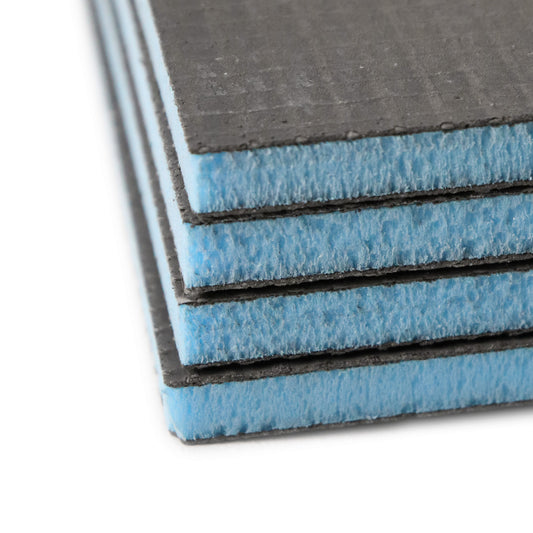
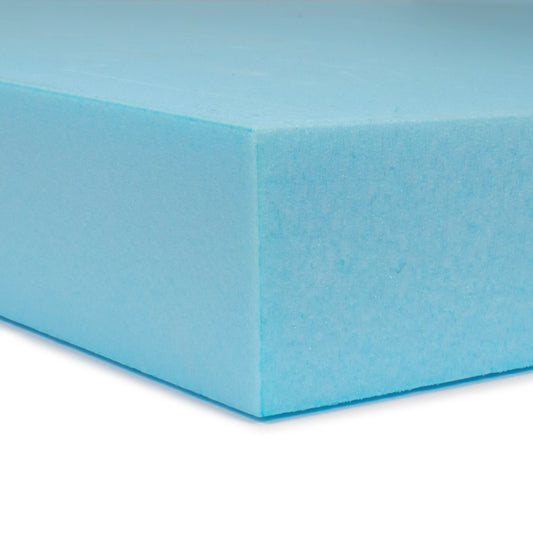
Discover our selection of insulation products designed specifically for electric underfloor heating systems. By minimizing heat loss, our solutions help your system warm up faster and run more efficiently, saving energy while maximizing comfort. With options tailored to suit different flooring types and installation needs, you can easily find the ideal insulation to complement your underfloor heating setup and achieve the best possible performance.
-
EkoBoard XPS Insulation Boards - 1200 x 600mm
Regular price From £5.99 GBPRegular price -
Thermopanel Tile Backer Boards - Plastering / Render Boards - 1250 x 600mm
Regular price From £10.99 GBPRegular price -
EkoBoard XPS Floor Insulation Boards - 800 x 600mm
Regular price From £3.89 GBPRegular price -
Classic 5mm XPS Underlay Insulation for Laminate or Wood Flooring
Regular price £25.99 GBPRegular price